Exploring South Florida’s Atlantic Coast? The South Florida Atlantic Coast Guide covers the full region from Miami to Palm Beach.
Table of Contents
Miami needs no introduction, but it rewards closer examination. Beyond the global brand — the nightlife, the beaches, the Art Deco architecture, the heat — Miami is one of the most genuinely cosmopolitan cities in the Western Hemisphere, a place where Latin American, Caribbean, and North American cultures have merged into something wholly original. The food alone justifies the trip: Cuban sandwiches in Little Havana, Haitian Creole in Little Haiti, world-class sushi in Brickell, stone crab at Joe’s — Miami’s dining landscape reflects a city that takes eating seriously across every price point and cuisine.
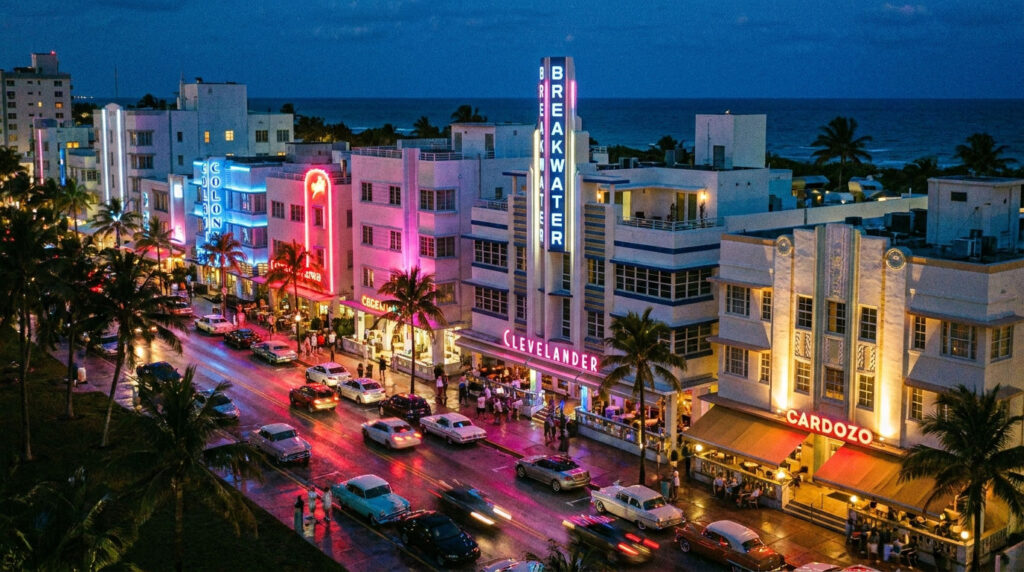
The beaches are legitimately world-class. South Beach, with its candy-colored Art Deco district and the broad white sand of Ocean Drive, is the postcard image — but the beaches extend well beyond that iconic strip. Key Biscayne offers a more nature-oriented beach experience, Virginia Key is increasingly popular with the local crowd, and the beaches of Sunny Isles and Bal Harbour to the north deliver luxury without the South Beach chaos. The Wynwood arts district, the Pérez Art Museum, the Vizcaya Museum and Gardens, and Everglades National Park round out a destination that is simultaneously beach resort, global city, and subtropical wilderness gateway.
Miami is located at the southern tip of Florida’s Atlantic coast in Miami-Dade County. The city proper sits on the mainland along Biscayne Bay, with the barrier island beaches — South Beach, Mid Beach, North Beach — accessible via the MacArthur, Julia Tuttle, and other causeways. Miami International Airport (MIA) is about 8 miles northwest of downtown. Fort Lauderdale-Hollywood International (FLL), about 30 miles north, is often a cheaper arrival option. I-95 and the Palmetto Expressway are the main arteries connecting the city’s far-flung neighborhoods, and traffic is a serious consideration at most hours.
Map & Orientation
Use the map below to navigate Miami — from South Beach and Brickell to Wynwood, Coconut Grove, and Coral Gables.
Where to stay: Taking a cruise from Miami? See our picks for hotels near Port of Miami, from downtown to Brickell.
Going to a Dolphins game, the Orange Bowl, or F1 Miami? See my guide to the best hotels near Hard Rock Stadium.
Where to Stay in Miami
Miami’s lodging landscape is as varied as the city itself. South Beach’s Ocean Drive and Collins Avenue corridor has the highest concentration of iconic hotels — historic Art Deco properties alongside modern luxury towers — at premium prices. The Brickell and downtown areas have business hotels that often have lower rates on weekends. Coconut Grove and Coral Gables offer a quieter, more residential alternative to the beach bustle, with easy access to both the waterfront and the cultural attractions of the mainland. Airbnb and vacation rentals are widely available across the city for longer stays or groups who need more space.

- vacationflorida.tv/HamptonInnMiamiCoconutGrove
- 2800 Sw 28th Ter, Miami, FL, 33133

- vacationflorida.tv/CatalinaClubMiami
- 1732 Collins Ave, Miami Beach, FL, 33139

- 305-937-0805
- www.marriott.com/event-reservations/reservation-link.mi?id=1652365166535&key=CORP&app=resvlink
- 2825 NE 191st Street Aventura, Florida 33180
Things To Do in Miami
The Art Deco Historic District in South Beach is the essential first stop — walking the stretch of Ocean Drive and Collins Avenue between 5th and 15th Streets is a genuine architectural experience. Wynwood’s street art and gallery scene has transformed a former warehouse district into one of the most photographed neighborhoods in the country. The Pérez Art Museum Miami on the downtown bayfront is world-class. The Everglades, accessible via several entry points about 30-45 minutes west of the city, is an extraordinary natural counterpoint to the urban intensity. Vizcaya Museum and Gardens on Biscayne Bay is one of the most beautiful historic estates in Florida. For a full day on the water, a charter to Biscayne National Park or the Upper Keys delivers some of the clearest water in Florida.
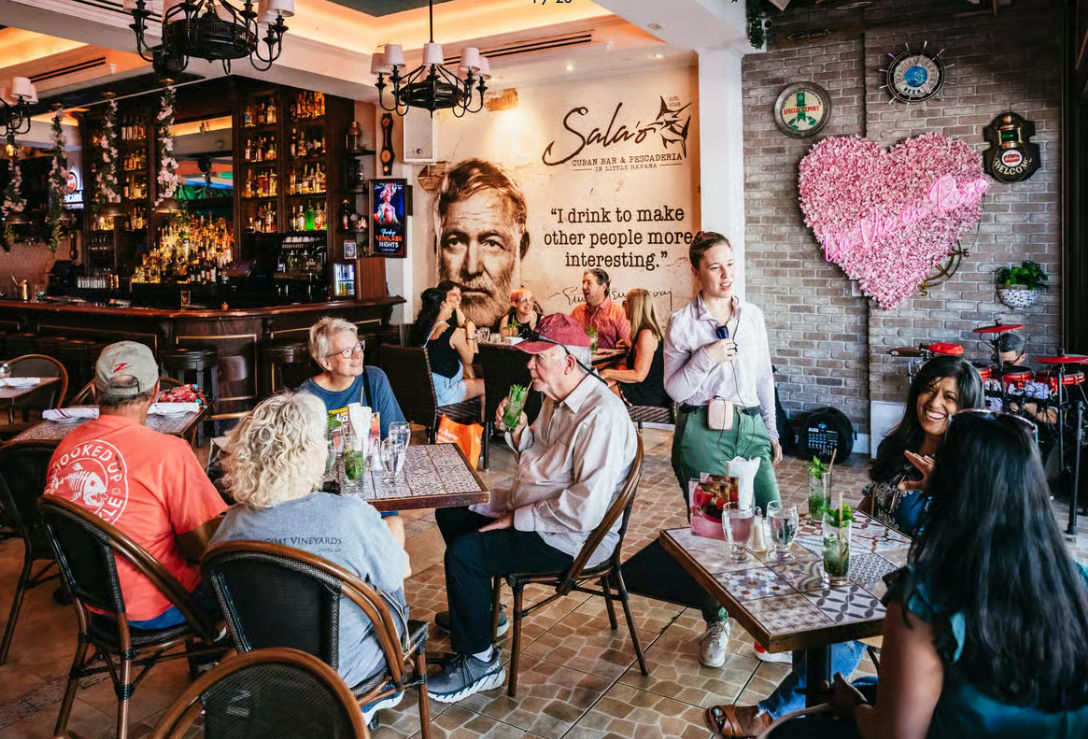
- vacationflorida.tv/LittleHavanaFoodWalkingTour
- 1508 SW 8th St, Miami, FL 33135, USA

- vacationflorida.tv/VizcayaMuseumAndGardens
- 3251 S Miami Ave Miami, Florida 33129, Miami, FL 33129-2831
Where to Eat in Miami
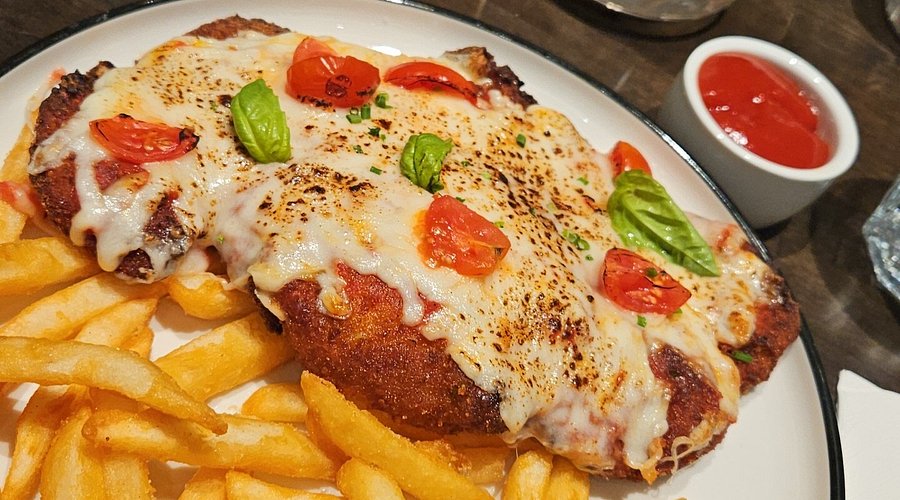
Miami is one of America’s great eating cities, with a depth and diversity that reflects its unique cultural position. Versailles in Little Havana is the non-negotiable Cuban institution — a cafeteria-style landmark that has fed Miami for decades. Joe’s Stone Crab on South Beach is a seasonal pilgrimage (open October through May) for Florida stone crab claws that are among the finest seafood experiences in the state. The Design District and Brickell have the highest concentration of upscale dining. For something more local and less touristed, the restaurants of Little Haiti, Hialeah, and Sweetwater offer authentic Caribbean and Latin American cuisine at neighborhood prices. The food truck and market scene in Wynwood is a good introduction to the city’s emerging culinary talent.
Miami Vacation FAQs
What is the difference between Miami and Miami Beach?
Miami is the city on the mainland — home to downtown, Brickell, Wynwood, Little Havana, Coconut Grove, and the majority of the urban attractions. Miami Beach is a separate city on the barrier island to the east, connected to Miami by several causeways. South Beach is the southern portion of Miami Beach and is often what people mean when they say “Miami Beach.” The two are closely connected but distinctly different in character — Miami is the cultural and business city; Miami Beach is the resort and nightlife destination.
When is the best time to visit Miami?
November through April is Miami’s high season — warm, sunny, and dry, with the most events and the most visitors. December through March is particularly popular with snowbirds and international tourists. Summer (June through September) is hot, humid, and prone to afternoon thunderstorms, but it’s also when hotel rates drop significantly and the city takes on a more local, relaxed character. Hurricane season runs June through November, though Miami itself rarely takes direct hits. Art Basel Miami Beach in early December is the city’s biggest annual cultural event and commands premium hotel rates.
Is Miami safe for tourists?
Miami’s major tourist areas — South Beach, Wynwood, Brickell, Coconut Grove, Coral Gables — are generally safe and well-patrolled. Like any major city, Miami has neighborhoods where visitors should exercise more caution, and common-sense urban precautions apply. The beach itself is safe during daylight hours and well-patrolled. Petty theft is the most common issue for visitors; keeping valuables out of sight in parked cars and being aware of surroundings in crowded areas is the standard advice. Overall, millions of tourists visit Miami annually without incident.
What neighborhoods should I explore in Miami?
Wynwood for street art and galleries; Little Havana for Cuban culture, food, and the Calle Ocho corridor; Coconut Grove for a relaxed, tree-lined waterfront village atmosphere; Coral Gables for Mediterranean Revival architecture and excellent independent restaurants; the Design District for high-end shopping and art installations; Brickell for the Manhattan-style financial district energy and upscale dining. Each neighborhood has a distinct identity and together they give Miami its layered, complex character that rewards exploration beyond the South Beach tourist strip.
How do I get around Miami without a car?
Miami is a car-dependent city by design, but some areas are navigable without one. South Beach is very walkable within the Art Deco district and the beach itself. The free Metromover circulates through downtown and Brickell. The Metrorail has limited coverage but connects the airport to downtown. Ride-share services (Uber, Lyft) are widely available and practical for most trips. Between South Beach and Wynwood or the mainland, ride-share is the most practical option. Renting a bike or scooter works reasonably well on the beach. For exploring the wider Miami-Dade metro, a car is effectively necessary.
Can I visit the Everglades from Miami?
Yes — the Everglades are remarkably close to Miami. The main entrance to Everglades National Park near Homestead is about 35 miles southwest of downtown Miami, roughly 45-60 minutes by car. Shark Valley, the most visited section of the park with excellent wildlife viewing by tram or bike, is about 35 miles west of Miami via US-41. Everglades Holiday Park, offering airboat tours into the River of Grass, is about 30 minutes northwest via I-75. Several outfitters offer guided Everglades tours departing from Miami hotels, making it easy to add a half or full day without the logistics of renting a car.
What is Art Basel Miami Beach?
Art Basel Miami Beach is one of the world’s most important art fairs, held annually in early December at the Miami Beach Convention Center. Over 250 major international galleries participate, showing work by thousands of artists across all media. Beyond the main fair, a parallel universe of satellite fairs, gallery shows, pop-up exhibitions, and parties takes over the city for a week. Hotel rates triple and rooms book out months in advance. For art world participants, it’s unmissable; for everyone else, it’s a fascinating time to be in the city even without attending the fair itself.
Is parking difficult in Miami?
Yes — parking in Miami, particularly in South Beach and downtown, is expensive and competitive. South Beach has several parking garages along Collins Avenue and Washington Avenue that charge by the hour. Street parking on Ocean Drive is metered and difficult to find on weekends. The situation improves significantly in residential neighborhoods away from the tourist core. Ride-share services from a hotel or vacation rental are often more economical than parking for day trips into South Beach or downtown. Many Miami Beach hotels charge significant daily parking fees that should be factored into accommodation costs.