Henry B. Plant Museum Review — Tampa’s Hidden Gilded Age Landmark
Contact Info
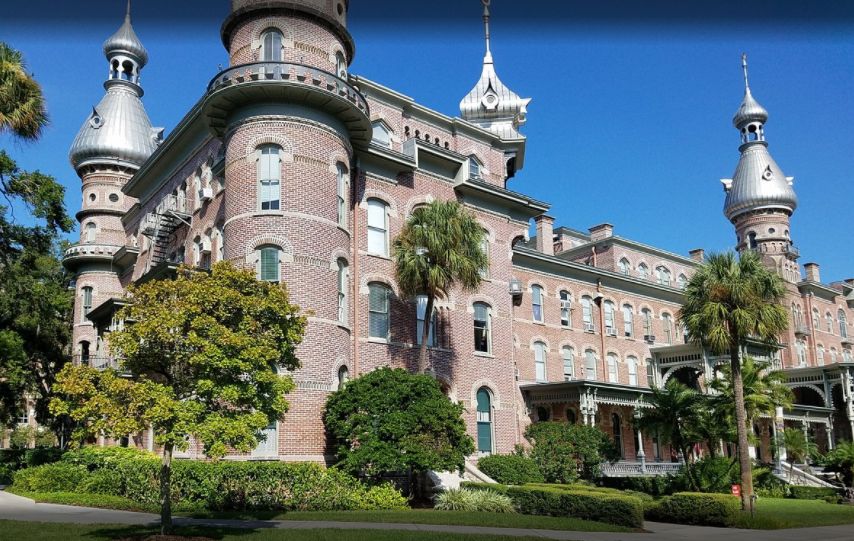
If you are putting together a serious Tampa vacation itinerary and you skip the Henry B. Plant Museum, you are genuinely leaving one of Florida’s most extraordinary experiences on the table. Tucked inside the wildly ornate Moorish towers of what was once the most luxurious hotel in the American South, this museum transports you into the Gilded Age of the 1890s — when railroad magnate Henry B. Plant decided to build something so outlandishly opulent in a Florida swampland that the world would simply have to come to him. They did. And now so can you, for $12.
I have done the research and fully vetted every major historical attraction in Tampa to find the ones that genuinely deliver on their promise. The Henry B. Plant Museum rises to the top every single time for history lovers, architecture enthusiasts, and anyone who wants to understand how Tampa became the city it is today. It consistently ranks in the top 10 things to do in the entire city, and after walking through its original rooms, it is easy to see exactly why.
The Building Alone Is Worth the Trip
Before you even step inside the museum itself, take a moment to stand on the grounds of what is now the University of Tampa campus and look up. The 1891 Tampa Bay Hotel is one of the most visually striking buildings in the state of Florida — a 511-room Moorish Revival masterpiece featuring 13 silver minarets, horseshoe arches, domed towers, and a sprawling verandah that stretches along Kennedy Boulevard. Henry Plant spent the equivalent of over $100 million in today’s money constructing it, importing European antiques and furnishings to fill its halls. The building is a designated National Historic Landmark and has been listed on the National Register of Historic Places since 1972.
The University of Tampa has occupied most of the building since 1933, which is why much of the hotel’s interior is now classrooms and administrative offices. But the museum occupies a significant wing on the ground floor, and the original character of the spaces — ornate plasterwork, period wallcoverings, and original architectural details — remains beautifully intact. After you tour the museum, you are free to wander the rest of the building for photos, and the rotunda on the university side is genuinely spectacular. Bring your camera.
What You’ll See Inside the Henry B. Plant Museum
The museum’s collection centers on the original furnishings and artifacts that Plant acquired from the great estates and auction houses of Europe. Walk through rooms filled with Venetian mirrors, Japanese porcelain, Belgian tapestries, French furniture, and items of such rarity and craftsmanship that it becomes easy to understand why people traveled from across the country to stay here. The recreated hotel suite is a particular highlight — a faithful reproduction of what a top-tier room looked like in 1891, complete with the original furnishings that guests like Theodore Roosevelt would have encountered.
The Spanish-American War connection is also a genuinely compelling piece of the story. In 1898, the Tampa Bay Hotel served as the headquarters for U.S. military officers preparing to depart for Cuba, including a young Colonel Theodore Roosevelt and his Rough Riders. The museum dedicates exhibit space to this chapter, with photographs, artifacts, and documents from that pivotal moment in American history. It is the kind of context that makes the building feel not just beautiful but historically important.
Your admission includes a self-guided audio tour accessible via QR code on your phone — bring earbuds for the best experience. There is also a 15-minute introductory video that provides helpful historical context before you walk the exhibits. Volunteer docents are stationed throughout the rooms and are extraordinarily knowledgeable; stopping to ask questions is absolutely worth your time. Plan to spend between 90 minutes and two full hours if you want to do it properly.
Tickets, Hours, and Practical Info
Admission to the Henry B. Plant Museum is genuinely affordable compared to most Florida attractions. Adults pay $12, seniors (65+) pay $10, students aged 13–17 pay $9, and children ages 4–12 pay $7. Infants are free. The museum is open Tuesday through Saturday from 10:00 AM to 5:00 PM, and Sunday from noon to 5:00 PM. It is closed on Mondays. Parking is a known limitation — there are limited spaces directly in front of the museum, but the Thomas parking garage approximately a quarter mile away is the most reliable option. Some visitors noted that free parking is available with museum admission in the small lot out front when spaces are available, so arriving early is advisable.
The museum is located on the University of Tampa campus, making it easy to combine your visit with a stroll along the Tampa Riverwalk, which is just three-tenths of a mile away. The Oxford Exchange, one of Tampa’s most celebrated café and bookshop destinations, is just steps from the museum entrance and makes for a perfect pre- or post-visit stop. For the complete picture of everything to experience in the area, check out the official Henry B. Plant Museum website for special events, seasonal exhibits, and the popular Victorian Christmas Stroll held each December. To build out your full day around this visit, explore everything on our best things to do in Tampa guide for pairing recommendations nearby.
What Visitors Are Saying About the Henry B. Plant Museum
The museum holds a 4.5 out of 5 on TripAdvisor across 854 reviews — landing it at #7 of 416 things to do in all of Tampa, with a Travelers’ Choice designation to match. Reviewers consistently use phrases like “hidden gem,” “underrated,” and “a must-see” — which tells you something important: this is a place that exceeds expectations for nearly everyone who walks through the door. History lovers and architecture enthusiasts rate it particularly highly. The common criticism, where it exists, is that the museum footprint is smaller than the scale of the building might suggest — but guests who know this going in report nothing but satisfaction.
“It is well worth a visit. Only costs $12 per person and parking is free with admission. This huge hotel building is amazingly ornate Moorish architecture. The museum is full of period furnishings, photographs, and interesting paraphernalia. Volunteer docents are eager to tell you all about the rooms.” — TripAdvisor ⭐⭐⭐⭐⭐
“If you do the entire audio tour plus some reading you can spend two hours here. Most reasonably priced of all Florida attractions on this trip. If you’re interested in history and/or high Victorian decoration you will not be disappointed.” — TripAdvisor ⭐⭐⭐⭐⭐
“Great little museum. Great history telling. We spent a couple hours touring and learned a lot. One suggestion: take your earbuds. The tour is from a website on your phone.” — TripAdvisor ⭐⭐⭐⭐⭐
“A must see if you are in the Tampa area. Very informative in every room, and kept pristine. The grounds are equally beautiful.” — TripAdvisor ⭐⭐⭐⭐⭐
Overall rating: 4.5/5 · #7 of 416 Tampa Attractions · Travelers’ Choice · 854 Reviews
Plan Your Visit
The Henry B. Plant Museum is located at 401 W Kennedy Blvd, Tampa, FL 33606, on the University of Tampa campus. Call (813) 254-1891 for information or grab your tickets here before you arrive to lock in your visit to one of Tampa Bay’s most remarkable and underappreciated landmarks.
Share
Related
Glazer Children’s Museum Review — Tampa’s Top Family Attraction Downtown
Glazer Children's Museum is a three-story, 35,000-square-foot children's museum in the heart ...
🗺️ This spot is on our interactive Florida map
We put 350+ of our local picks on one living map — the Vacation Florida Guide. The beaches without the crowds, the restaurants with no website, springs nobody knows about, where locals actually stay — and the famous spots worth skipping, with what to do instead.
- An interactive map on your phone — tap any pin for our honest local take.
- Ready-made itineraries — timed to beat the gates.
- New spots every week — buy once, updates for life.
It’s the guide we wish existed every time someone asked us “okay, but where would YOU go?”