The Old Jail Anna Maria: A Historic Pine Avenue Guide
Contact Info
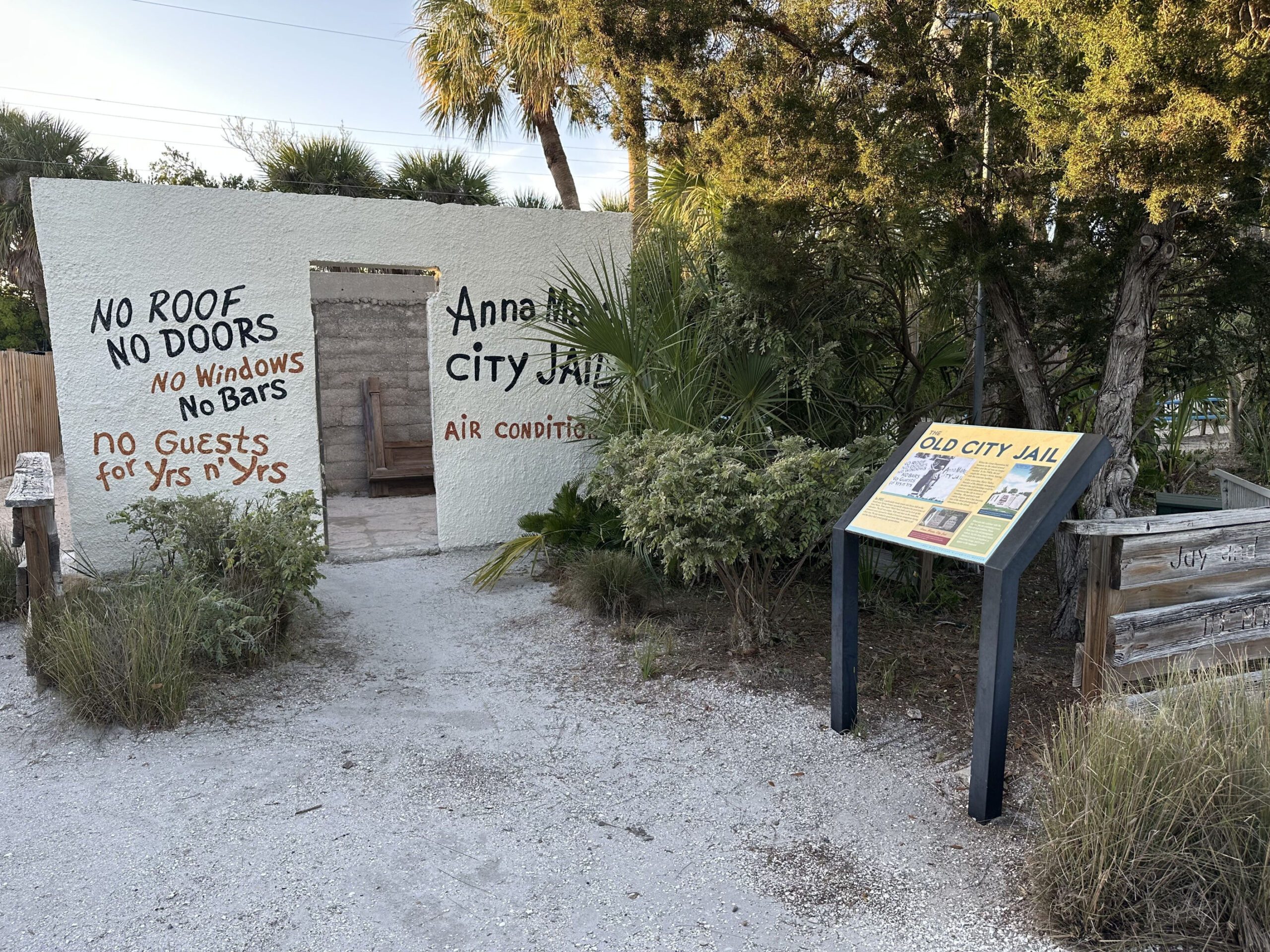
The Old Jail Anna Maria: A Window into Island History
The Old Jail Anna Maria stands as one of the most unique, photographed, and historically significant landmarks on the entire Gulf Coast. When you are following our complete Anna Maria Island Vacation Itinerary to discover the hidden gems of the Florida coastline, taking a moment to visit this tiny, open-air structure on Pine Avenue is an absolute must. This diminutive building is the only jail in the city’s history and represents a fascinating era when the northern end of the island was a rugged, sparsely populated frontier for fishermen and early pioneers. Today, it serves as a silent, quirky witness to the transformation of the city from a remote coastal outpost into one of Florida’s most beloved vacation destinations.
In this comprehensive guide, we will explore the origins of this 1927 landmark, its unique “tabby” construction, and its role in the colorful history of the island’s early days. Whether you are a dedicated history buff or simply looking for an iconic vacation photo opportunity, understanding the story behind The Old Jail Anna Maria adds a profound layer of depth and appreciation to your tropical getaway.
The Origins of the 1927 Island Landmark
The story of The Old Jail Anna Maria begins in the late 1920s, a pivotal time for the development of the local community. In 1927, the city’s very first mayor, Mitch Davis, recognized an increasing need for a local holding cell to manage the occasionally rowdy behavior of visitors and residents. Before the construction of this permanent structure, law enforcement on the island was an incredibly informal affair, often relying on the honor system or a stern warning.
During this era, a local tavern and dance hall operated near Spring Avenue—right around where the famous Sandbar Restaurant sits today. After a long day of fishing or working in the intense Florida heat, patrons would occasionally overindulge and disturb the quiet, peaceful nature of the surrounding neighborhoods. Mayor Davis personally commissioned the building of the jail with the specific intent of “quartering the rowdies.” It was a highly practical solution to a growing municipal issue, ensuring that those who had a bit too much to drink had a secure place to sleep it off before facing the mayor the following morning.
The Unique Architecture of the Tabby Structure
When you visit The Old Jail Anna Maria, the first thing you will notice is its incredibly small footprint and rugged construction. The building is a simple, windowless box, measuring only a few feet in each direction. Its architectural style is strictly utilitarian, reflecting the limited resources and practical needs of a small 1920s coastal community.
Rather than using standard brick or imported stone, the jail was constructed using “tabby”—a traditional, highly durable coastal building material made from a mixture of crushed oyster shells, sand, water, and ash. The heavy iron bars on the door and windows are original to the structure. Inside, the space was designed to hold only one or two people at a time.
However, the true deterrent of the jail was not its thick walls, but rather the local environment. Because the jail featured open barred windows with no glass or screens, anyone confined to the cell overnight was completely exposed to the elements. Most notably, they were subjected to thick clouds of ferocious Florida mosquitoes. History notes that spending just one night swatting away insects in the humid salt air was the ultimate preventative measure; after the first few dozen offenders endured a night in the jail, public disturbances on the island dropped dramatically.
The 1940s Fire and Ripley’s Believe It or Not Fame
The active use of The Old Jail Anna Maria was relatively short-lived. By the time the Great Depression took hold, the island had quieted down significantly, and the local dance hall crowds had dispersed. In the 1940s, a fire broke out that burned away the wooden roof and any combustible interior structures, leaving only the indestructible tabby concrete shell standing on Pine Avenue
Rather than demolishing the ruined structure, the city’s leadership recognized its quirky charm. Thanks to the foresight of Harry Varley, the founder of the original Islander newspaper, the jail was preserved as a historical monument and photo opportunity. Varley spearheaded the painting of the famous, catchy slogans that adorn the outside of the building today. The most prominent text reads: “No Roof, No Doors, No Windows, No Bars, No Guests for Yrs n’ Yrs. Anna Maria City Jail. Air Conditioned.”
This humorous embrace of the town’s history catapulted the tiny building to national fame. It became so iconic that it was eventually featured in the legendary Ripley’s Believe It or Not! syndicated column, cementing its status as a permanent, beloved fixture of the island’s landscape.
Exploring the Anna Maria Island Historical Society Park
Today, the jail sits securely on the beautifully maintained grounds of the Anna Maria Island Historical Society Museum at 402 Pine Avenue. The preservation of the jail is a massive testament to the island’s commitment to protecting its heritage. Rather than seeing the tiny, roofless concrete box as an eyesore, the community has maintained it as a vital piece of “Old Florida” charm.
Visiting The Old Jail Anna Maria is widely considered one of The Top 5 Best historical activities for families visiting the northern end of the island. The surrounding museum complex offers a wealth of additional history to explore. Just steps from the jail, you can step inside the main museum building, which was originally constructed in 1920 to serve as the local icehouse. Inside, you will find fascinating archives, rare photographs, and artifacts detailing the lives of the early homesteaders and local fishermen.
Also located in the historical park is the Belle Haven Cottage. Originally built in 1920 at the end of the City Pier as a fish packing plant, the cottage famously fell into Tampa Bay in 1926. It was rescued from the water, hauled to land, and served as a family home for 50 years before being relocated to the museum grounds and fully restored. Walking between the jail, the museum, and the cottage provides a comprehensive, immersive look at early 20th-century coastal life.
Planning Your Pine Avenue Historical Excursion
Anna Maria Island offers a wealth of history that extends far beyond the shoreline. Because the jail is located directly on Pine Avenue—often referred to as the “greenest little main street in America”—it is incredibly easy to incorporate into a broader day of exploration.
The Ultimate Photo Opportunity
The jail has become an essential spot for vacation photos. Visitors of all ages love posing behind the iron bars or standing next to the painted slogans to document their trip. Its small-scale design makes it a fun and memorable stop that doesn’t require a significant time commitment, making it easy to fit into a morning coffee run.
We highly recommend pairing your historical tour with a stop at nearby local favorites. You can grab a custom, made-to-order morning pastry at The Donut Experiment just down the street, or plan a waterfront lunch at one of the top Places to Eat in Anna Maria Island. If you are still finalizing your travel logistics, ensure you have secured your ideal Places to Stay Anna Maria Island Rentals near Pine Avenue so you are always within walking distance of the action.
The preservation of sites like the city jail ensures that the rich, architectural history of Florida remains accessible for future generations to enjoy. For more information on local preservation efforts, museum operating hours, and upcoming historical events, you can visit the Anna Maria Island Historical Society.
Share
Related
Anna Maria City Pier Guide
Disclosure: This site contains affiliate links, meaning we may earn a commission ...
🗺️ This spot is on our interactive Florida map
We put 350+ of our local picks on one living map — the Vacation Florida Guide. The beaches without the crowds, the restaurants with no website, springs nobody knows about, where locals actually stay — and the famous spots worth skipping, with what to do instead.
- An interactive map on your phone — tap any pin for our honest local take.
- Ready-made itineraries — timed to beat the gates.
- New spots every week — buy once, updates for life.
It’s the guide we wish existed every time someone asked us “okay, but where would YOU go?”