Exploring Florida’s North Atlantic Coast? The North Florida Atlantic Coast Guide covers the full region from St. Augustine to Amelia Island.
Table of Contents
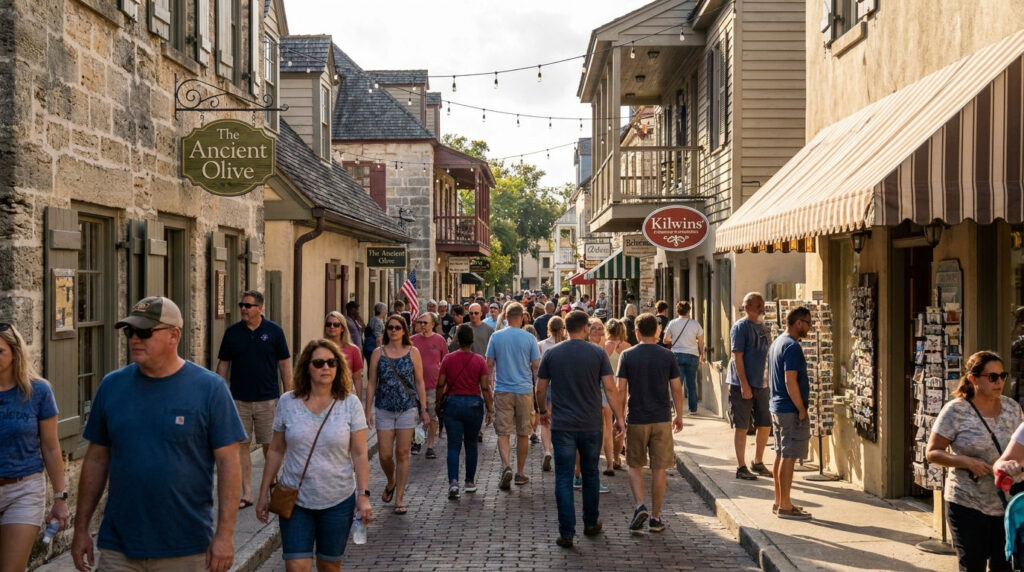
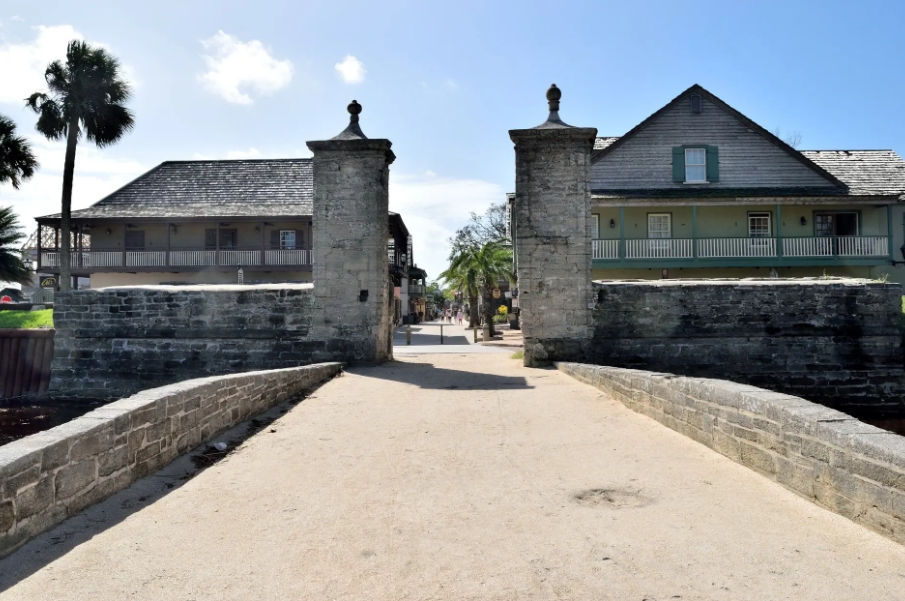
St. Augustine is unlike anywhere else in Florida — or the United States, for that matter. Founded by Spanish explorers in 1565, it holds the title of the oldest continuously occupied European settlement in the country, and the city wears that history proudly. Walking its narrow colonial streets, past the towering Castillo de San Marcos and through the restored Spanish Quarter, feels genuinely different from any other Florida destination. History here isn’t a theme park recreation — it’s the actual place, and that authenticity is rare.
But St. Augustine isn’t just a history lesson. The city has evolved into one of Florida’s most vibrant small cities, with a thriving arts scene, a string of excellent beaches just across the Bridge of Lions, and a restaurant scene that punches well above its size. The downtown historic district is walkable and lively most evenings, with a mix of local shops, craft breweries, and rooftop bars that draw both tourists and a growing base of permanent residents who’ve discovered what the city has to offer year-round.
St. Augustine is located in St. Johns County on Florida’s northeast Atlantic Coast, about 40 miles south of Jacksonville and 75 miles north of Daytona Beach. US-1 and I-95 are the main north-south routes into the city. The historic downtown sits on a peninsula between the Matanzas River and San Sebastian River, with the beach — St. Augustine Beach — located about 5 miles east on Anastasia Island, accessible via the Bridge of Lions. St. Augustine Beach and Anastasia State Park together offer some of the best Atlantic beach access in northeast Florida.
Map & Orientation
Use the map below to navigate the historic district, find your hotel or rental, and discover beaches, restaurants, and attractions across St. Augustine and Anastasia Island.
Where to Stay in St. Augustine
St. Augustine has one of Florida’s most distinctive lodging scenes. The historic district is packed with boutique hotels, inns, and bed-and-breakfasts housed in restored 19th-century buildings — staying within walking distance of the Spanish Quarter and Castillo is worth the premium. For beach access, St. Augustine Beach on Anastasia Island has a range of hotels and vacation rentals a short bridge-crossing from downtown. The city also has standard chain hotel options along US-1 and near I-95 for budget-conscious travelers who don’t mind a short drive.

- vacationflorida.tv/TheSmartStayInn
- 2365 FL-16, St. Augustine, FL, 32084

Things To Do in St. Augustine
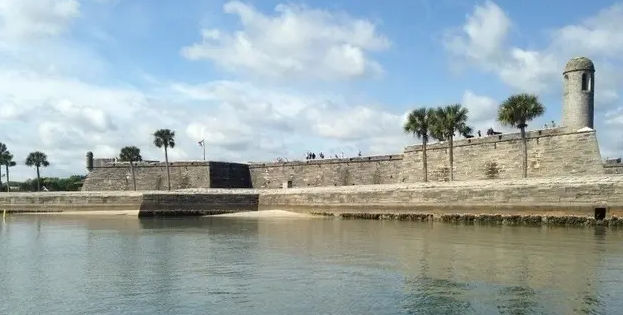
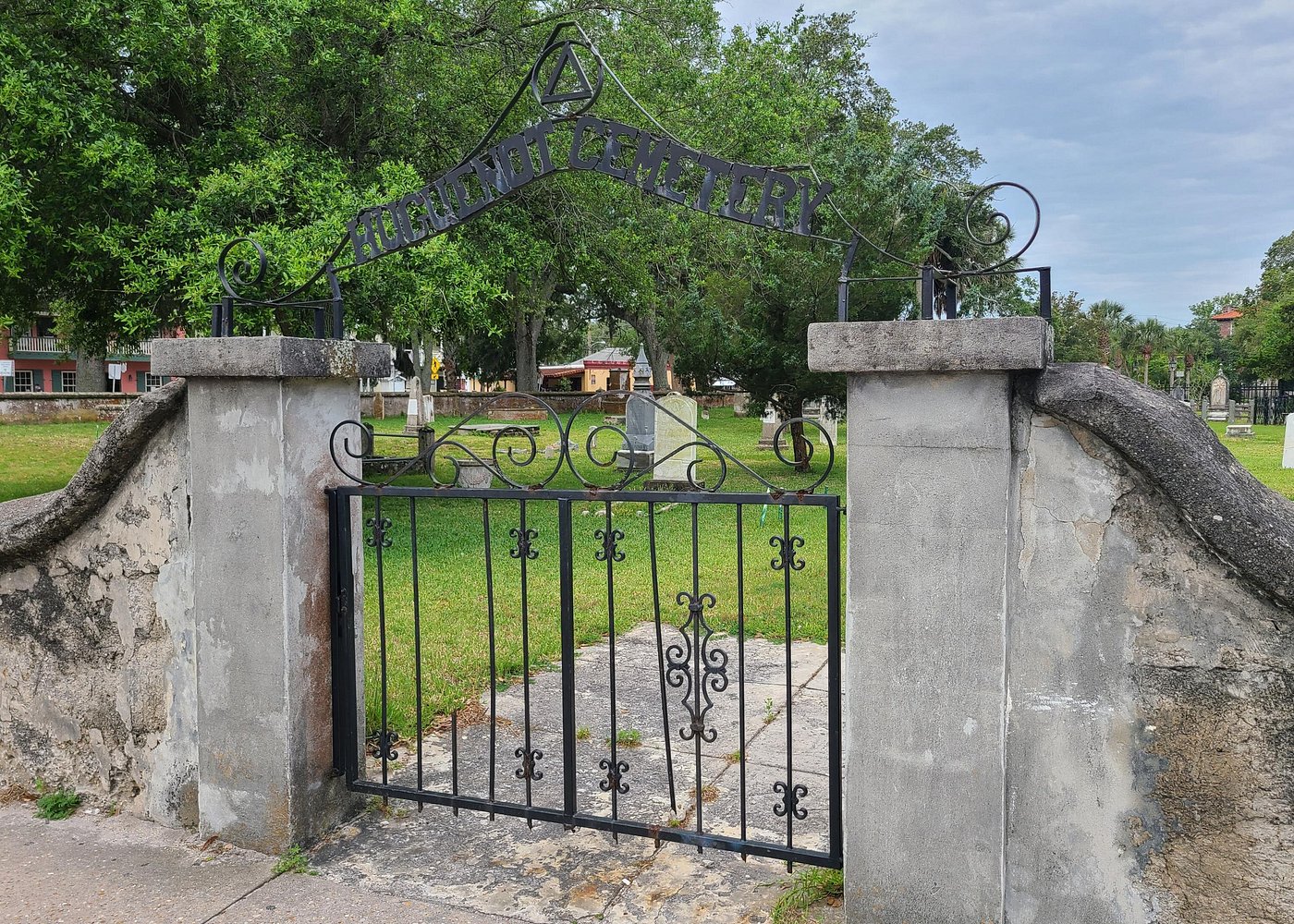
The Castillo de San Marcos National Monument is the centerpiece — a 17th-century coquina stone fort that is the oldest masonry fort in the continental US and one of the most impressive historic structures in Florida. The Lightner Museum, housed in the former Alcazar Hotel, holds an extraordinary collection of Gilded Age antiques and art. Anastasia State Park across the bridge has excellent swimming, windsurfing, kayaking through salt marshes, and some of the best shelling beaches on the northeast coast. The city is also famous for its ghost tours, which have become a legitimate cottage industry — the oldest city has no shortage of stories to tell after dark.


Where to Eat in St. Augustine
The dining scene in St. Augustine has evolved considerably in recent years, with a strong independent restaurant culture centered on the historic district and the nearby Lincolnville neighborhood. Fresh Florida seafood — shrimp, crab, and oysters from nearby waters — is the local specialty. The craft brewery scene is surprisingly robust for a city this size, with several excellent taprooms within walking distance of the historic core. Aviles Street and the Cathedral Place area have the densest concentration of quality dining options, while St. Augustine Beach has a more casual, seafood-shack vibe along the beachside strip.


St. Augustine Vacation FAQs
How old is St. Augustine, Florida?
St. Augustine was founded on September 8, 1565, by Spanish Admiral Pedro Menéndez de Avilés — making it 461 years old and the oldest continuously occupied European settlement in the United States. The city predates the Pilgrims’ arrival at Plymouth Rock by 55 years. The Spanish colonial period lasted until 1821, when Florida was ceded to the United States, but the city’s Spanish architectural heritage is well-preserved throughout the historic district.
What is the best way to see the St. Augustine historic district?
Walking is the best way to explore the core historic district — the key sights including the Castillo, the Cathedral Basilica, the Spanish Quarter, and St. George Street are all within a compact, walkable area. The Old Town Trolley and horse-drawn carriage tours are popular options for a guided overview. The Hop-On Hop-Off train tours allow you to get oriented quickly and then revisit specific stops at your own pace. For the ghost tour crowd, several companies offer evening walking tours of the city’s most storied locations.
What are the best beaches near St. Augustine?
St. Augustine Beach on Anastasia Island is the primary beach, about 5 miles from downtown via the Bridge of Lions — wide, clean, and backed by a small beach community with restaurants and shops. Anastasia State Park, just north of St. Augustine Beach, is arguably the better beach experience: less crowded, backed by dunes and salt marshes, and with excellent amenities including kayak rentals and nature trails. Vilano Beach, north of downtown on the other side of the Matanzas Inlet, is a quieter alternative with a low-key local feel.
Is St. Augustine worth visiting for a day trip?
Yes, but a full weekend is better. A day trip from Jacksonville (40 minutes) or Daytona Beach (75 minutes) is very doable and lets you hit the Castillo, walk St. George Street, and have a waterfront meal. However, the city reveals itself more fully over two or three days — the pace of the historic district, the evening atmosphere, a morning at Anastasia State Park, and a ghost tour all add up to an experience that can’t be fully squeezed into a single day.
When is the best time to visit St. Augustine?
March through May and October through November are ideal — mild temperatures, manageable crowds, and lower hotel rates than peak summer. Summer is warm and humid with the highest visitor numbers, particularly around the 4th of July. St. Augustine is also one of Florida’s best Christmas destinations — the Nights of Lights festival runs from mid-November through January, with millions of white lights illuminating the historic district in a genuinely spectacular display. Winter weekends during Nights of Lights can be very crowded.
How far is St. Augustine from Jacksonville?
St. Augustine is approximately 40 miles south of Jacksonville, a drive of about 45–55 minutes via I-95 South to US-1. Jacksonville International Airport (JAX) is about an hour from downtown St. Augustine and is the most practical arrival airport for most visitors. Amtrak’s Silver Star and Silver Meteor trains stop in Jacksonville, making it possible to reach the region without a car if you arrange local transportation from Jacksonville.
Are there good ghost tours in St. Augustine?
Ghost tours are one of St. Augustine’s signature offerings, and several companies compete for the business — which has driven quality up. The city’s genuine age means there’s no shortage of documented historical events to draw from, which gives the better tour operators more substance than the typical ghost tour. Walking ghost tours through the historic district, lantern-lit evening tours of the Castillo, and carriage-based ghost tours are all available. St. Augustine consistently ranks among the top ghost tour destinations in the United States.
Is parking difficult in St. Augustine?
Parking in the historic district can be challenging, especially on weekends and during peak season. The San Marco Avenue garage and the Castillo de San Marcos parking lot are the most convenient paid options near the main sights. Arriving early (before 10am) makes finding a spot significantly easier. Several hotels on the outskirts of the historic district offer free parking with a short walk to the action. The Old Town Trolley system offers park-and-ride options from lots further from downtown, which is worth considering on busy holiday weekends.
- Florida Hotels Under $125 a Night (That Are Actually Worth Booking)

- Hotels Near Port Canaveral (2026): Park & Cruise Stays + Kennedy Space Center

Visiting during the holidays? Don’t miss Nights of Lights. See our guide to Christmas in St. Augustine for dates, tours and parking tips.