Exploring South Florida’s Atlantic Coast? The South Florida Atlantic Coast Guide covers the full region from Fort Lauderdale to the Palm Beaches.
Table of Contents
Fort Lauderdale has reinvented itself. Once known primarily for spring break chaos, the city has matured into one of South Florida’s most sophisticated destinations — a place where world-class dining and arts sit alongside 23 miles of clean Atlantic beaches, an intricate canal system that earned it the nickname “Venice of America,” and a boating culture unlike anywhere else in Florida. The transformation is genuine, and the result is a city that rewards visitors who look past the obvious.
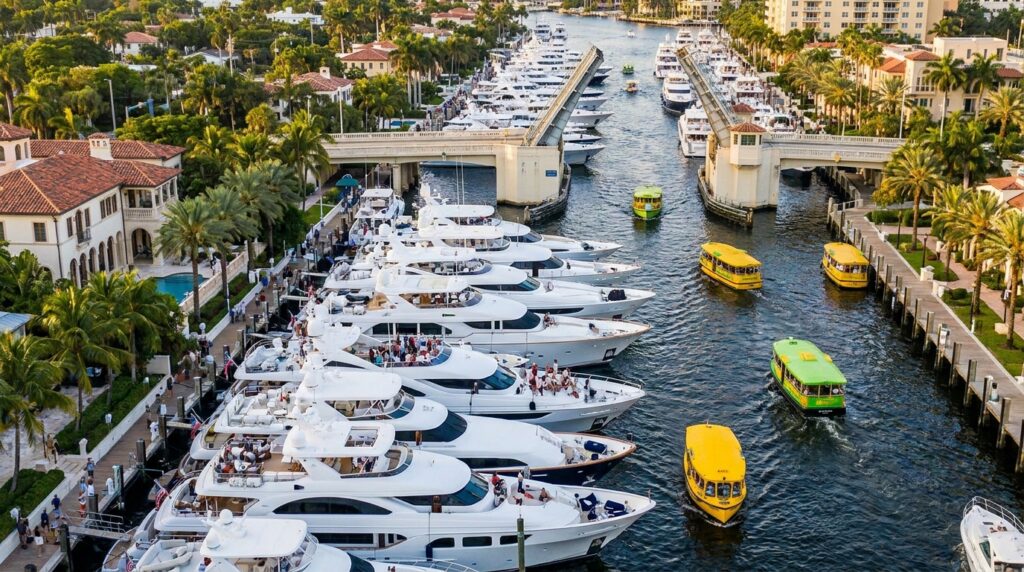
The beach here is legitimately excellent — wide, well-maintained, and lined with a pedestrian promenade rather than a wall of high-rises. Las Olas Boulevard, the city’s main cultural artery, runs from downtown straight to the beach and delivers galleries, boutiques, and some of the best restaurants in Broward County. The New River that winds through downtown adds a water-taxi culture that makes getting around feel like an experience in itself.
Fort Lauderdale is located in Broward County, about 30 miles north of Miami and 45 miles south of Palm Beach. Fort Lauderdale-Hollywood International Airport (FLL) sits just 4 miles south of downtown, making it one of the most conveniently located airports in South Florida — and often a cheaper alternative to MIA. The beach runs along A1A (Fort Lauderdale Beach Boulevard), with Las Olas Boulevard connecting the beach to downtown. The Intracoastal Waterway separates the barrier island beaches from the mainland.
Map & Orientation
Use the map below to get your bearings across Fort Lauderdale’s beach, Las Olas corridor, downtown, and waterway neighborhoods.
Taking a cruise? See my guide to the best hotels near Port Everglades for easy pre-cruise stays.
Where to Stay in Fort Lauderdale
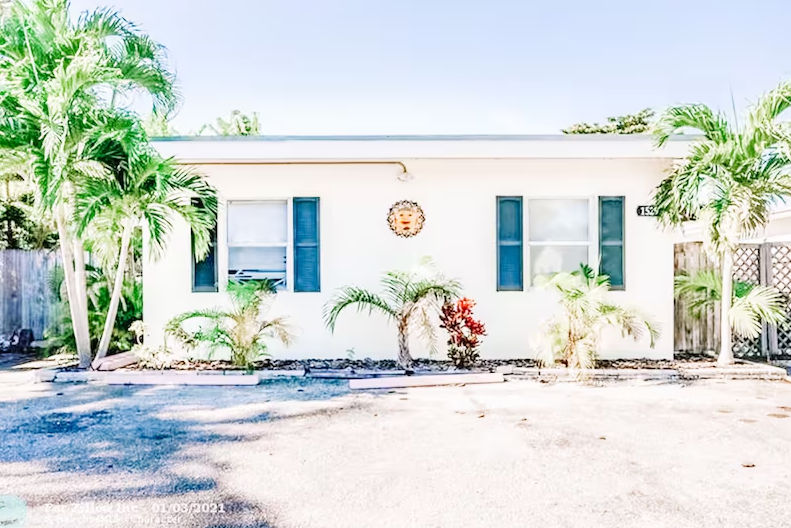
Fort Lauderdale’s lodging landscape covers the full spectrum. Beachfront hotels along A1A range from boutique properties to major resort brands, most with direct beach access and pool decks. Las Olas and the downtown Riverwalk area offer upscale hotel options within walking distance of restaurants and nightlife. The barrier island neighborhoods north of the main beach — Lauderdale-by-the-Sea, Sea Ranch Lakes — offer a quieter, more residential feel with smaller boutique properties. Vacation rentals are widely available throughout the waterway neighborhoods, often with private dock access.
Things To Do in Fort Lauderdale
The water taxi system is the best introduction to Fort Lauderdale — hop on at any stop along the New River or Intracoastal and explore the city’s extraordinary waterfront at your own pace. The beach and its promenade are a natural draw, but the surrounding area offers plenty more: the NSU Art Museum has an impressive collection including a major Picasso holding, Bonnet House Museum and Gardens is a beautiful historic estate hidden among the beachside development, and Hugh Taylor Birch State Park preserves a rare slice of old Florida between the beach and the Intracoastal. Everglades day trips are easy from Fort Lauderdale, as are snorkeling and diving excursions to the offshore reefs.





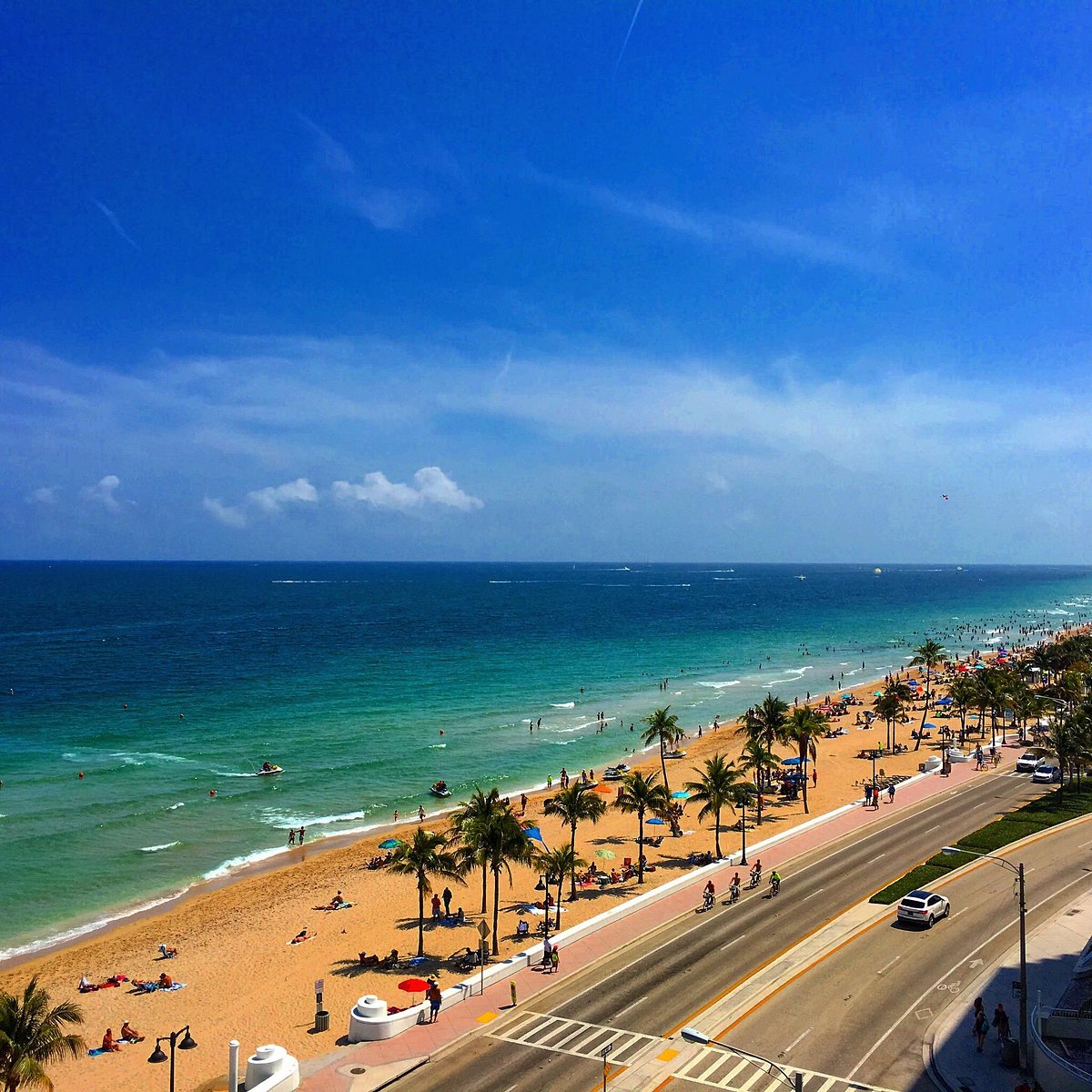
- vacationflorida.tv/FortLauderdaleBeach
- A1A between Las Olas and Sunrise Blvd., Fort Lauderdale, FL 33301
Where to Eat in Fort Lauderdale
Las Olas Boulevard is the center of gravity for Fort Lauderdale dining, with a dense stretch of restaurants ranging from casual outdoor cafes to serious fine dining. The Himmarshee Village area near the Riverwalk has a strong local bar and restaurant scene. Lauderdale-by-the-Sea, just north of the main beach, has a walkable village with excellent casual seafood spots right on the water. Fort Lauderdale’s diverse population means the broader city has exceptional international dining — particularly strong in Brazilian, Colombian, and Asian cuisines.
Fort Lauderdale Vacation FAQs
Is Fort Lauderdale still a spring break destination?
Not in the way it once was. The city actively shifted away from spring break tourism in the late 1980s and has spent decades cultivating a more upscale, year-round visitor base. The beach is family-friendly and well-patrolled. That said, the area still sees elevated crowds in March and April, particularly among college-age visitors staying in cheaper accommodations to the south.
How far is Fort Lauderdale from Miami?
Downtown Fort Lauderdale to downtown Miami is about 30 miles and takes 35–60 minutes by car depending on traffic — I-95 is the main route and can be heavily congested during peak hours. The Brightline train connects Fort Lauderdale and Miami in about 30 minutes, making it easy to base yourself in Fort Lauderdale and day-trip to Miami without dealing with parking or traffic.
What is the best beach in Fort Lauderdale?
Fort Lauderdale Beach itself — the main beach along A1A — is well-maintained and has a nice pedestrian promenade. For a quieter alternative, Lauderdale-by-the-Sea to the north has a more laid-back village atmosphere and good snorkeling directly from shore at the Anglin’s Pier area. Deerfield Beach, further north in Broward County, is another excellent option with a more local feel.
What is the water taxi in Fort Lauderdale?
The Water Taxi is a public transit system that operates on the New River and Intracoastal Waterway, stopping at hotels, restaurants, and attractions throughout the city. Day passes are available and make for a fun, practical way to get around without a car. Routes cover the beach, Las Olas, the Riverwalk, and several waterfront dining and entertainment stops. It’s genuinely useful transportation and a great way to see the waterways.
Is Fort Lauderdale good for families?
Yes — Fort Lauderdale is well-suited for families. The beach is calm and clean, the pedestrian promenade is stroller-friendly, and there are several excellent family attractions nearby including the Museum of Discovery and Science (with an IMAX theater), Everglades Holiday Park for airboat rides, and Flamingo Gardens. The water taxi is a hit with kids. The dining scene is diverse enough that finding family-friendly options is never a challenge.
What airport serves Fort Lauderdale?
Fort Lauderdale-Hollywood International Airport (FLL) is the primary airport, located just 4 miles south of downtown — one of the shortest airport-to-city distances in Florida. FLL is served by most major carriers including Southwest, which uses it as a major hub, often making it significantly cheaper than Miami International (MIA). Miami International is about 35 miles south and is the main alternative for international flights.
Can I visit the Everglades from Fort Lauderdale?
Absolutely — Fort Lauderdale is one of the best bases for Everglades day trips. Everglades Holiday Park is just 20 minutes west of downtown and offers airboat tours into the River of Grass. Shark Valley in Everglades National Park is about 50 minutes away and has excellent wildlife viewing from a tram or bike. For the full national park experience, the main visitor center near Homestead is about 60 miles south. Several tour operators run guided Everglades excursions departing from Fort Lauderdale.
What neighborhoods should I explore in Fort Lauderdale?
Las Olas Boulevard and its surrounding neighborhood is the first stop for most visitors — restaurants, galleries, boutiques, and easy access to both downtown and the beach. The Flagler Village area north of downtown has emerged as a vibrant arts and dining district with a younger, more creative vibe. Victoria Park is a charming residential neighborhood with excellent restaurant options. Wilton Manors, just north of the city, is a lively independent municipality with a strong dining and entertainment scene.